

Skip to content

Pocket Computers

Robert Rackley
Robert Rackley
1 min read
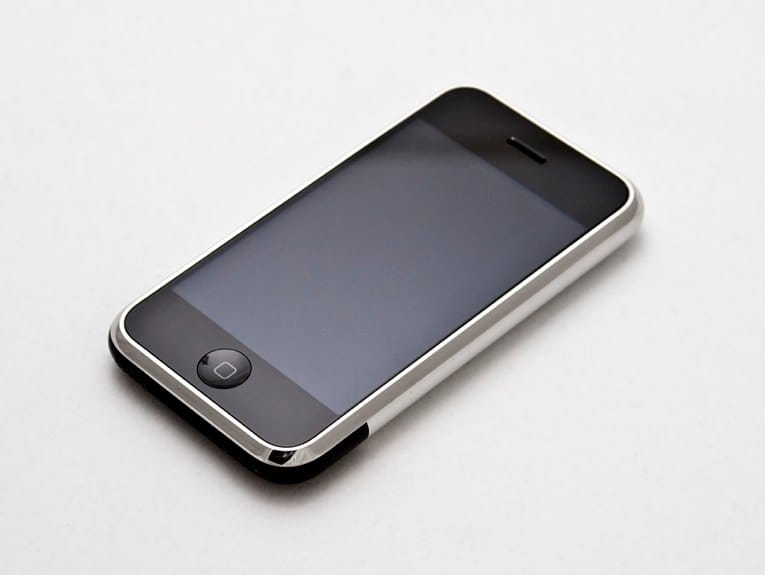
Pocket Computers
IMG_2298

John Burn-Murdoch writes for Financial Times about the single unifying theory around the decline in fertility.

The number of births fell first and fastest in the areas that received high-speed mobile connectivity earliest. The authors argue that smartphones have transformed how young people spend time with one another, sharply reducing in-person socialising and leading to the collapse in their fertility.

The reason for population decline is hiding in your pocket.

This isn’t at all suprising to me. Marital experience has taught me that it’s hard for a spouse to be as interesting an endless supply of short-form videos.


StandardTech

Robert Rackley

Mere Christian, aspiring minimalist, inveterate notetaker, budget audiophile and paper airplane mechanic. Self-publishing since 1994. Fan of the open web.


Related Posts

Members Public

Corporation Games

Will Gottsegen writes for The Atlantic about Sony’s decision to discontinue manufacturing physical discs for their games. The convenience of downloads may be an upside, though there are certainly real downsides in the transition away from physical media. When you buy a disc, you own it and can resell

Members Public

Orthodox Burnout

A new blog/newsletter to me as of today is Ghost Drive America, which belongs to Edwin Robinson.1 Robinson writes about burnout five years after becoming Orthodox as part of a ROCOR church. I haven’t been Orthodox quite as long as Robinson, but nevertheless, I identified with almost

Members Public

(Untitled)

Brandon writes about having Reverse SAD — seasonal affective disorder that occurs during the summer instead of the winter. Research also suggests that high temperatures might play a role in reverse SAD. Notable differences between summer and winter SAD are that summer SAD individuals may typically feel manic, whereas those with